Is the Hair Transplant Procedure Painful?
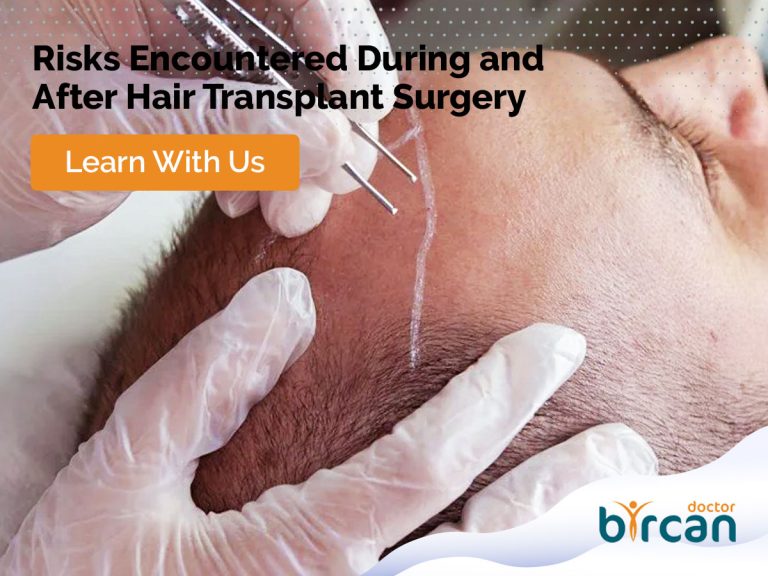
A hair transplant is done under local anaesthesia, so the procedure itself should not be painful, although some discomfort is possible. You feel a brief pain as the needle goes in and a burning sensation while the anaesthetic is applied; it takes effect in about 20 minutes. Sedation can be discussed if you are afraid of needles.
 Medically reviewed by:
Dr. Sait Gökhan Bircan · Last updated:
· 4 min read
Is a hair transplant painful?
The operation is done under local anaesthesia, so you should not feel pain during the procedure itself, although some discomfort is possible. What most people do feel is the anaesthetic being given: there is a brief pain as the needle goes in, and a burning sensation while the medicine is applied under the skin. Once the area is numb, harvesting and implantation continue without pain, and you stay awake throughout.
The anaesthetic takes effect in about 20 minutes, and it can be repeated during the operation if needed. No general anaesthesia is used; whether a transplant can be done while you are asleep is discussed in hair transplantation under general anaesthesia.
How is local anaesthesia given during the operation?
In stages, so that each area is numb before work starts on it:
- Donor area. The area the grafts will be taken from is numbed first. After about 20 minutes, the grafts are taken one by one; this stage takes roughly 3 hours.
- Recipient area. Before the channels are opened, the area to be transplanted is numbed as well. Implantation then takes roughly 3 hours.
- During the day. With FUE the operation takes about 6–9 hours, depending on the number of grafts, with breaks along the way. If you start to feel something, tell the team; the anaesthetic can be topped up.
The same approach is used for beard, moustache, eyebrow and female transplants: the area the grafts will be taken from is numbed first, and the anaesthetic takes effect in about 20 minutes. In a beard transplant, the needles used are very fine. In women, mild pain and itching are possible in the first days after the operation.
A few simple things help the day go smoothly: don’t chew gum, try not to talk too much, don’t use your phone during the operation and don’t touch the grafts. During the breaks you can rest in the lounge and have something from the café. The full day is described on hair transplant process.
What if I am afraid of needles?
Tell us before the operation: if you are afraid of needles, additional sedation can be discussed. Local anaesthesia can be used on its own or with sedation, and patients who receive sedation are monitored throughout. Whether sedation suits you is decided with the doctor, taking your health and the medication you use into account, so tell us about both when you send your photos. You can also talk about any worries about pain or needles with Dr. Bircan at the consultation on day 1. If you would like someone with you on surgery day, your companion cannot come into the operating room but can wait in the clinic’s lounge or café.
How can I help the anaesthetic work well?
Avoid alcohol and caffeine before the operation, because both can make the local anaesthetic less effective. Ideally, take a break from alcohol a few weeks before and cut down on caffeinated drinks; at the very least, have none of them the day before, and skip coffee on the morning of surgery. Come well rested and have breakfast, so you have energy for a long day. Everything to do in the weeks before is on before a hair transplant.
Does it hurt after the operation?
Most people feel only mild discomfort after the operation, and it passes in a few days. FUE wounds heal faster and usually cause less pain after the operation than a strip method. What you may notice:
- Burning. A few days after surgery, the donor area may feel as if it is burning. Apply the moisturising lotion three or four times a day and let it absorb.
- Swelling. The scalp, the face and the area around the eyes may swell for a few days. Ice packs and the medication you are given help; by day 7 the swelling has usually gone.
- Itching. It can start after a few days and is a sign of healing. Don’t scratch.
On the evening of surgery you go back to your hotel with written instructions for the first night. For the first 24 hours, don’t touch the implanted area, and sleep on your back with your head raised. Take the medication you are given regularly. If something worries you, contact us and send photos of the area. Aftercare for the first 15 days is explained on after a hair transplant.
Frequently asked questions
Will I be awake during a hair transplant?
Yes. The operation is done under local anaesthesia and you stay awake throughout. No general anaesthesia is needed. If you are afraid of needles, additional sedation can be discussed.
How long does the local anaesthetic take to work?
About 20 minutes. The donor area is numbed first, and the recipient area is numbed before the channels are opened. The anaesthetic can be repeated during the operation if needed.
Can coffee or alcohol affect the anaesthetic?
Yes. Alcohol and caffeine can make the local anaesthetic less effective. Avoid them in the days before the operation, have none the day before, and skip coffee on the morning of surgery.
How long does discomfort last after the transplant?
Usually a few days. Burning in the donor area, swelling and itching are common and pass by themselves; the swelling has usually gone by day 7. Take the medication you are given and contact us if something worries you.